
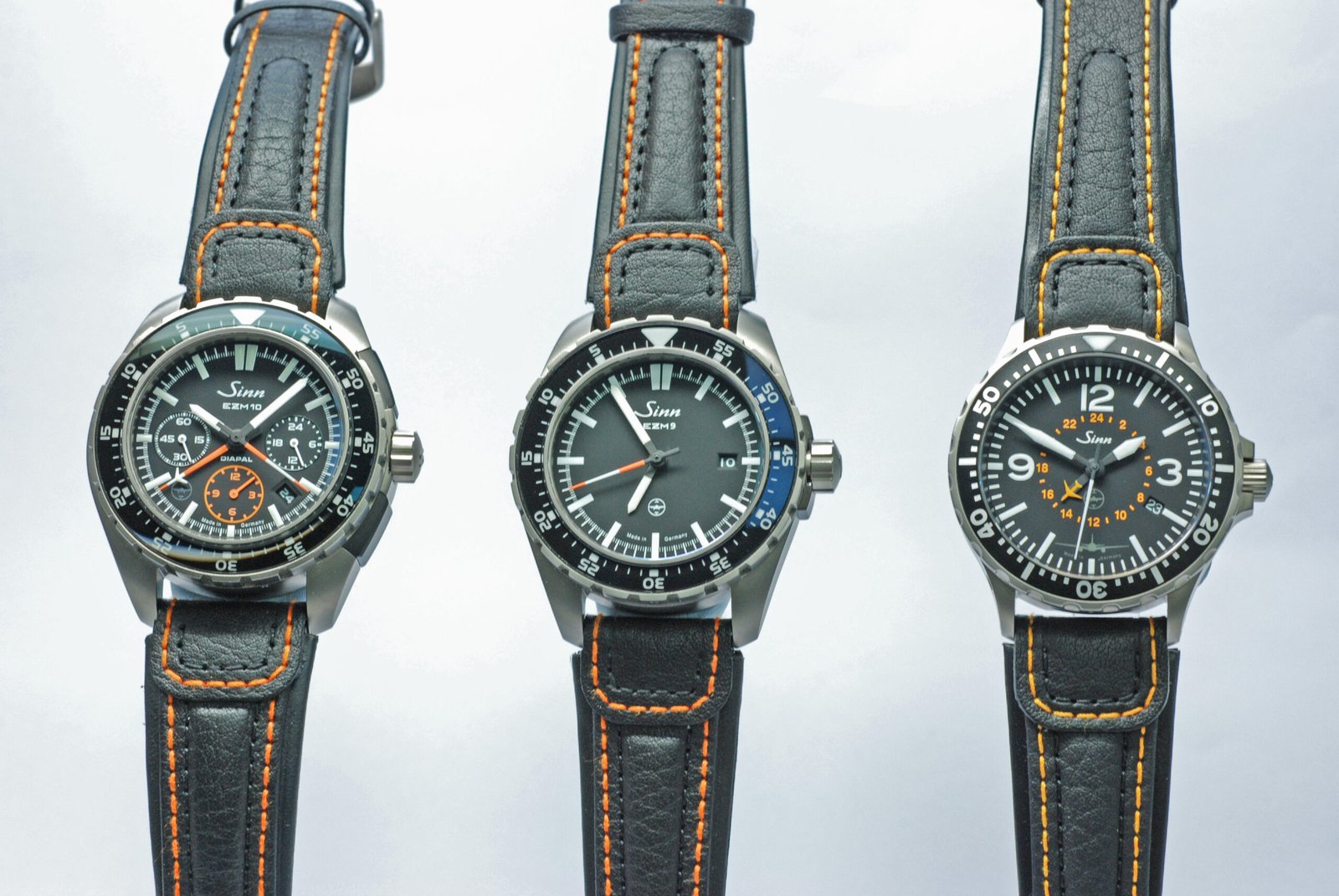
Sinn is a German tool-watch brand best known for clean, highly legible dials and a “built to be used” approach. Not every Sinn is a classic WWII-style field watch, but a lot of the lineup overlaps with what field-watch buyers actually want: quick readability, practical water resistance, and a case size that works day-to-day.
Watch photos (Creative Commons)
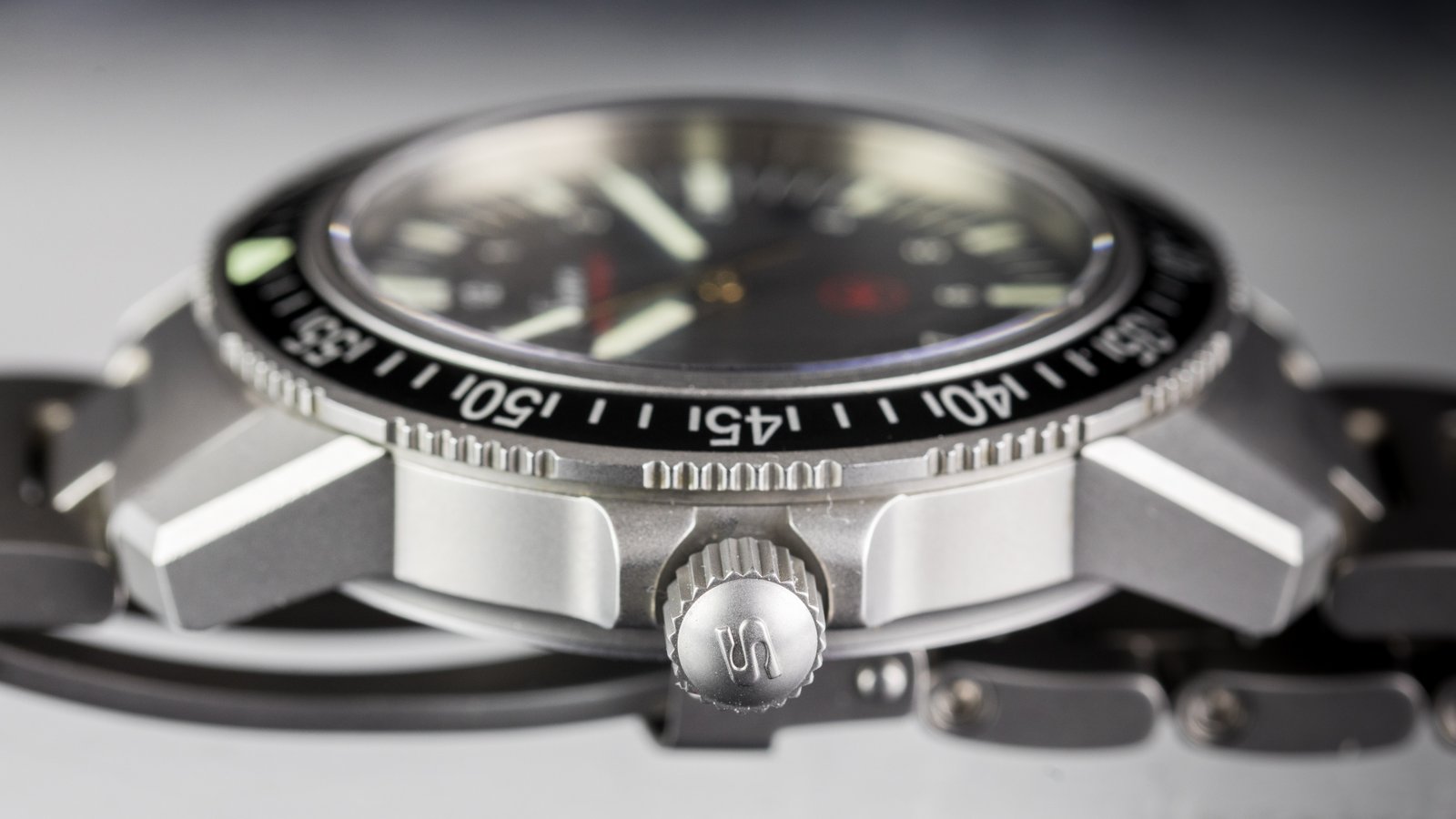
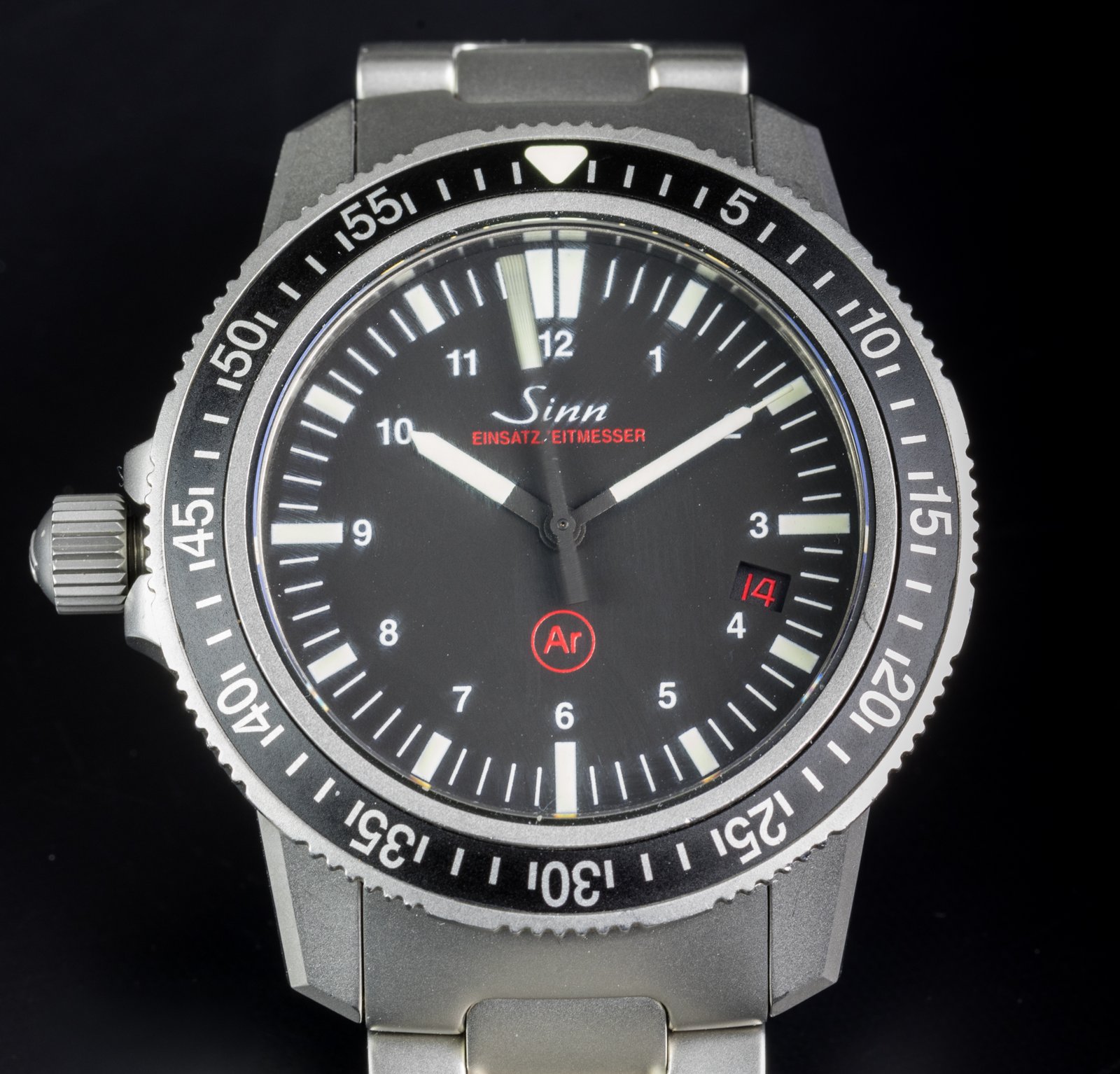
Here are a few copyright-safe photos from Wikimedia Commons to give you a feel for Sinn’s clean, instrument-first design language. (References shown are examples; always verify the exact model/spec you’re shopping.)
If you’re here because you keep seeing the 556 recommended, start with the review: Sinn 556 I review (draft).
What makes a Sinn work as a field watch (even when it’s not an A-11 clone)
- Legibility first: simple indices, restrained text, and a “glanceable” layout.
- Tool-ish durability: many references are built around real daily-wear priorities (scratch resistance, usable WR, solid bracelets).
- Modern field vibe: more “clean instrument” than “vintage military.”
Quick buying checklist (verify your exact reference)
- Size & lug-to-lug: don’t shop by diameter alone — check the full on-wrist geometry. (Guide: Field watch size guide.)
- Water resistance you’ll actually use: many Sinns lean sporty; still, confirm whether your exact reference is 50m vs 100m vs 200m. (Guide: Water resistance explained.)
- Crystal choice: sapphire is common, but confirm front/back and coatings. (Guide: Sapphire vs mineral vs acrylic.)
- Bracelet vs strap plan: some Sinns look “right” on steel; others shine on NATO/canvas. (Guide: Best straps for field watches.)
Best Sinn picks for field-watch buyers
Sinn 556 I (556i): the clean daily-driver tool watch
This is the model most people mean when they say “get a Sinn.” It’s compact, legible, and easy to dress up or down.
- Read the full review: Sinn 556 I review (draft)
- If you want a more traditional field aesthetic, cross-shop a true field icon like the Hamilton Khaki Field Mechanical (published).
Sinn 556 variants (A / RS / different dial layouts): pick the vibe, then verify the details
The “556” family is where you’ll see a lot of variation: dial colors, handset style, and date placement can change the feel a lot. Treat listings and reference codes as the source of truth.
- Read the full review: Sinn 556 A review (draft)
Sinn 104 / 856 (honorable mentions if you want more presence)
Depending on the reference, some Sinn models lean more pilot/tool than pure field. If you like the Sinn philosophy but want a tougher, more overt tool-watch stance, you may end up here — just confirm the exact spec set and thickness before you buy.
How to choose between “modern tool-field” and “classic field”
Here’s a quick way to decide what you actually want:
- Choose Sinn if you want clean instrument style and a do-it-all daily watch.
- Choose a classic field watch if you specifically want big numerals, 12/24-hour printing, and vintage-military proportions. Start with: What is a field watch?
Alternatives (different brands, similar “serious daily watch” energy)
- Formex Field Automatic (published) — modern, engineered, and very comfortable on-wrist.
- Tudor Ranger (draft) — a more premium field/explorer hybrid direction.
- Damasko DS30 (draft) — German tool-watch toughness as the main story.
- Bulova Hack (published) — classic field styling on a more budget-friendly level.
FAQ
- Is a Sinn a “real” field watch? Sometimes yes, often it’s more of a tool-watch / explorer crossover. The good news: the buying priorities overlap (legibility, durability, comfort).
- Should I prioritize bracelet or strap? If you want a one-watch solution, start on bracelet and add a NATO/canvas later. If you want pure field vibe, you can go strap-first.
If you want more brand-level browsing, use the hubs: Reviews and Microbrands.