Field Watch Size Guide: 36mm vs 38mm vs 40mm vs 42mm
Field watches are supposed to be comfortable and practical. That means size matters more here than in many other categories. A field watch that’s too big feels awkward on a strap, catches on sleeves, and stops being the “wear it anywhere” tool it should be.

Quick rule of thumb
- 36mm: vintage-correct, great for small wrists, very wearable under sleeves.
- 38mm: the modern sweet spot for “classic field” proportions.
- 40mm: modern everyday size with more wrist presence.
- 42mm: best if you prefer larger watches or need maximum dial legibility.
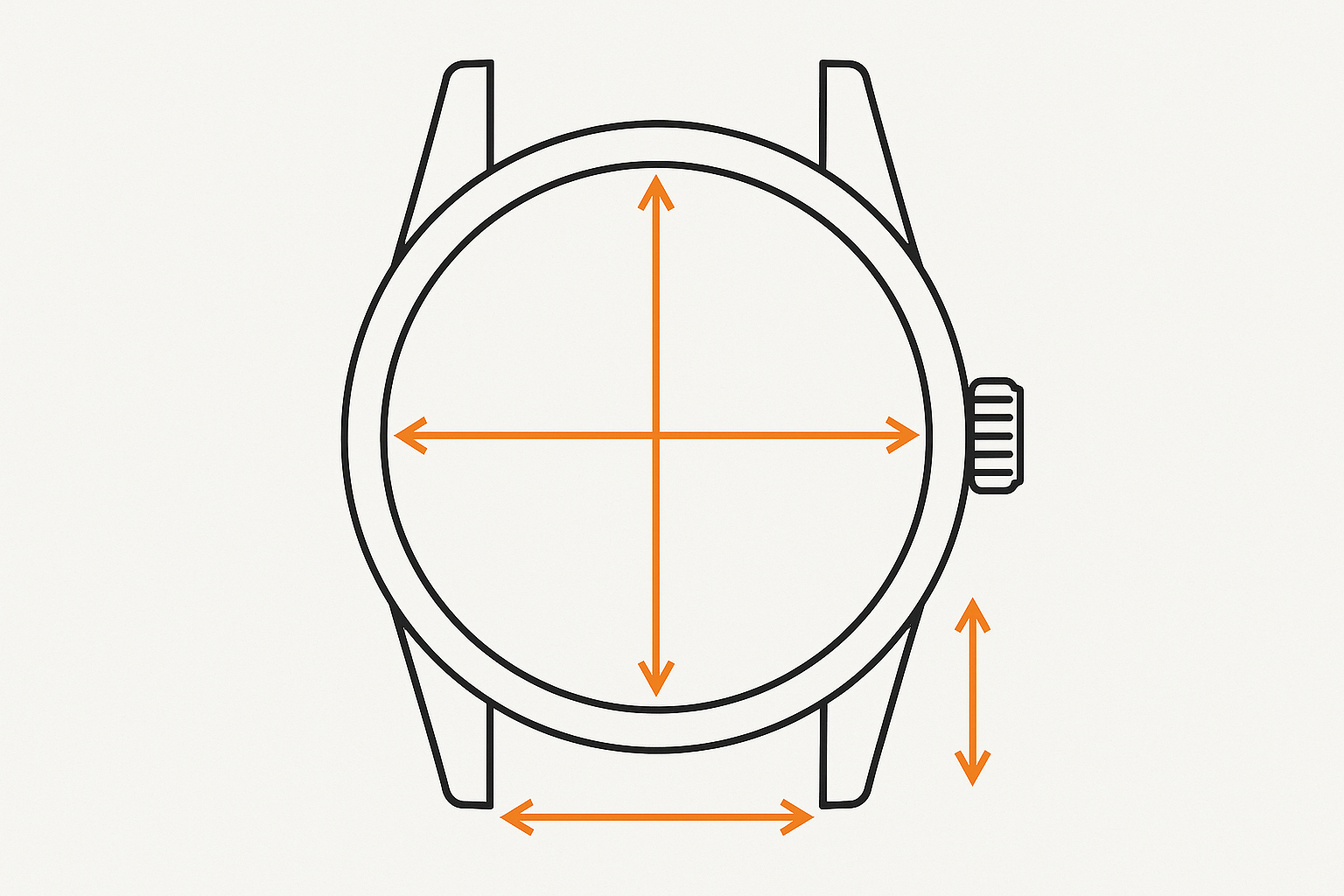
Don’t obsess over diameter—lug-to-lug matters more
Case diameter is only part of the story. A watch with long lugs can wear much larger than its diameter suggests. As a rough guide: if the lug-to-lug is close to your wrist width, it may overhang and feel clumsy.
Thickness: the silent comfort killer
Field watches look best when they sit relatively flat. If a watch is thick, it can feel top-heavy on nylon straps and knock into things more often.
Strap width and balance
Most field watches use 18mm or 20mm straps. Wider straps can help a bigger watch feel stable. Narrow straps on a big case often look and feel unbalanced.

My recommendation
- If you want one “classic” field watch: aim for 38mm.
- If you’re not sure and you wear long sleeves often: 36–38mm.
- If you prioritize dial clarity or like modern sizing: 40mm.
Want real examples? See our reviews: Hamilton Khaki Field Mechanical (38mm) and Seiko SRPG27.
Where to buy (Amazon)
- Amazon (US): Search “Field Watch Size Guide”
5 thoughts on “Field Watch Size Guide (36mm vs 38mm vs 40mm vs 42mm)”
Comments are closed.