
The Rolex Explorer is one of the most influential “field / explorer” style watches ever made: simple dial, high legibility, and a do-anything vibe that’s been copied for decades. The downside is obvious: price and availability. The upside is also obvious: it’s a clean, durable daily with a design that doesn’t really age.
Brand overview: For the bigger picture, see our Rolex field watches: what to know + best picks guide.
Watch photos
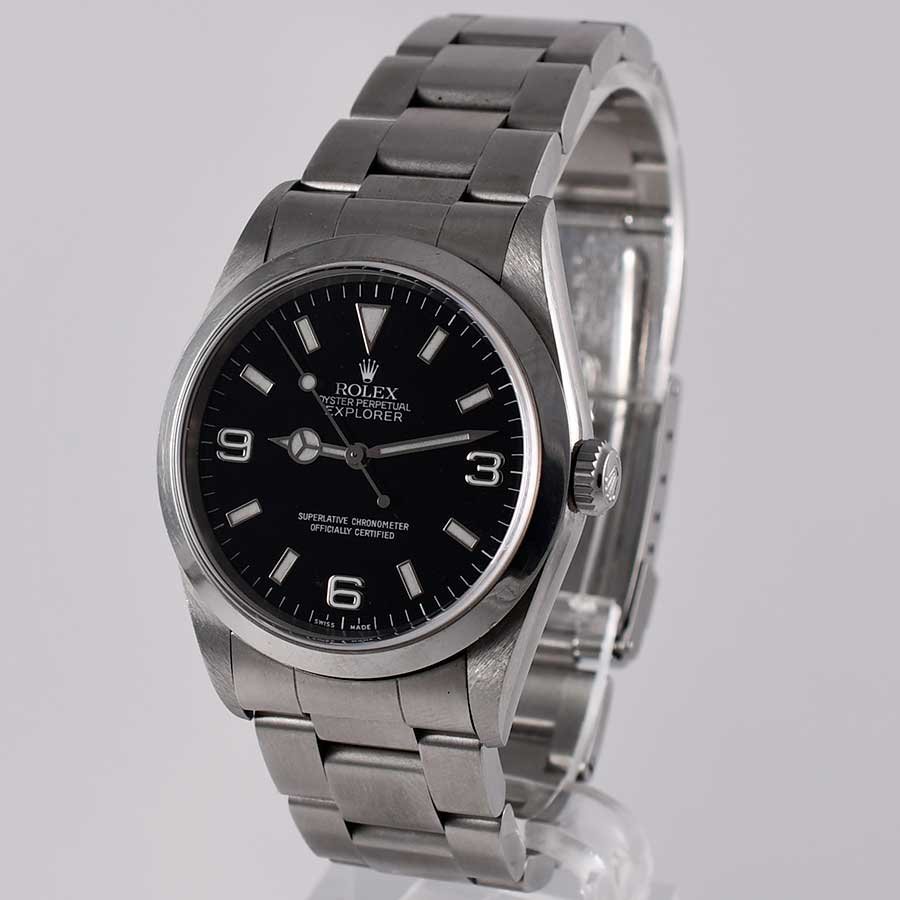
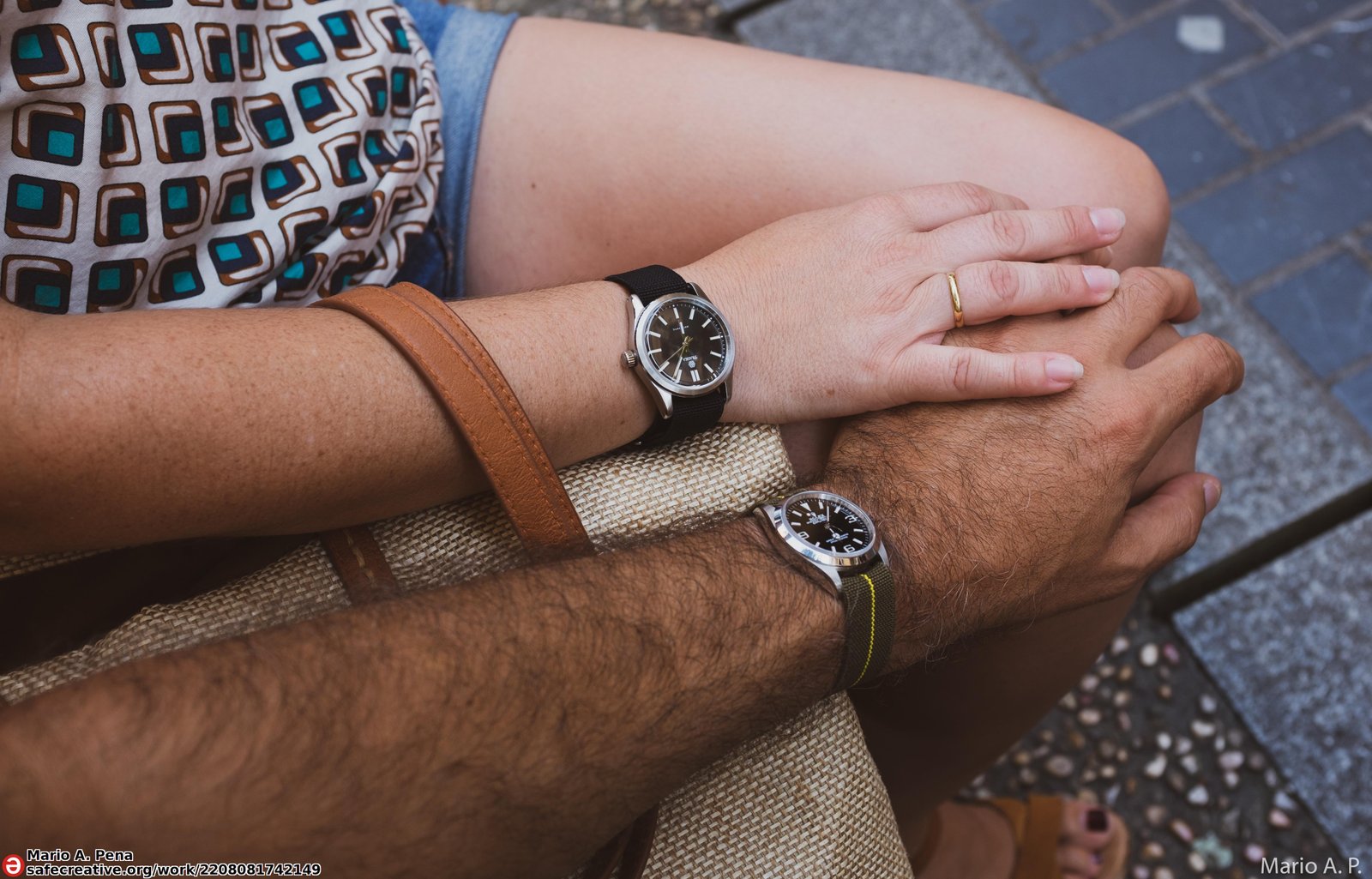
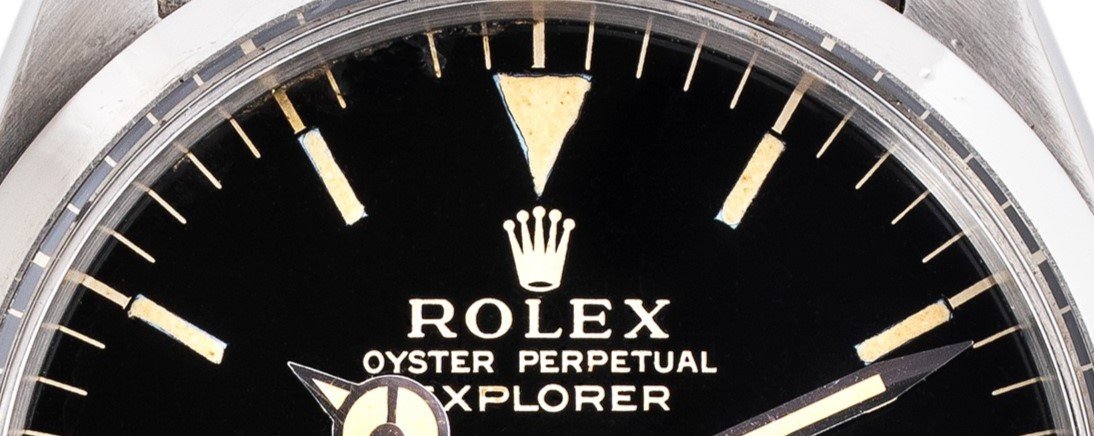
If you’re new to the category, start with our field watch checklist first — it’ll make the Explorer’s strengths (and compromises) easier to judge.
At a glance
- What it is: a minimal, time-only steel sports watch with “explorer/field” DNA.
- What it’s great at: legibility, everyday wear, long-term ownership.
- What to watch out for: value/markup, authenticity when buying pre-owned, and size preference.
- Closest vibe alternatives: Tudor Ranger, Sinn 556 I, Hamilton Khaki Field Automatic.
Quick specs (typical — verify your exact reference)
Rolex references change over time. Treat the numbers below as “typical listings”, then verify your exact reference/year before you buy.
- Case size: commonly 36mm or 40mm (depending on generation).
- Thickness: typically ~11–12mm (varies by reference).
- Lug-to-lug: varies; use our field watch size guide to sanity-check fit.
- Crystal: sapphire (see sapphire vs mineral vs acrylic).
- Water resistance: commonly 100m (read: what 30m/50m/100m really means).
- Movement: modern Explorer generations use an in-house automatic (often listed as Cal. 3230 in recent references); time-only, hacking, hand-winding.
Dial & legibility: why it works
The Explorer dial is basically the definition of “fast read”: strong contrast, uncomplicated layout, and nothing that fights the hands. The 3-6-9 layout is also a big part of why so many “field/explorer hybrid” watches feel familiar — even when they aren’t trying to be an Explorer copy.
One practical note: if you’re sensitive to night visibility, make sure you’re comparing like-for-like. Lume performance depends on generation and application. (For background: field watch lume basics.)
On-wrist comfort (and picking 36 vs 40)
Explorer sizing is controversial in the best way: both sizes can be “right” depending on your wrist and your taste.
- 36mm: tends to wear classic and compact; great if you like vintage proportions or smaller wrists.
- 40mm: reads more modern and tool-ish; can feel easier to read at a glance.
If you’re unsure, measure your current daily watch (diameter + lug-to-lug) and compare it against the Explorer generation you’re shopping.
Movement & ownership notes
The Explorer is not the kind of watch people buy for “spec flex” on paper — it’s bought because it’s a stable, well-supported ownership experience. If you’re comparing it to other field watches, the more useful question is: do you want in-house luxury ownership or value-focused utility?
If you want a broader primer on what matters in daily-wear movements, see: Field watch movements (quartz vs automatic vs solar).
Durability & water resistance (real-world)
In the field-watch context, 100m water resistance is plenty for rain, washing hands, and most travel use. Just don’t confuse “100m” with “care-free forever”: gaskets age, crowns get knocked, and any mechanical watch benefits from periodic service.
Buying notes (new vs pre-owned)
- New: expect waitlists or limited availability in many markets.
- Pre-owned: buy the seller first. Prioritize documentation, service history, and a return window.
- Fit check: don’t guess. Compare lug-to-lug and bracelet taper/feel against something you already own.
Alternatives worth considering
If you love the Explorer idea but not the price/availability, these are the most “honest” alternatives with similar intent:
- Tudor Ranger — the closest mainstream alternative for many buyers.
- Longines Spirit 37 — a Swiss daily with field/explorer vibes and strong value.
- Sinn 556 I — clean German tool-watch minimalism.
- Hamilton Khaki Field Automatic — the value benchmark if you want “field watch first”.
- Seiko Alpinist — more character, still very outdoors-friendly.
Who this is for
- You want a simple “one watch” with maximum versatility.
- You care about long-term support and resale stability.
- You prefer a clean dial over rotating bezels, extra complications, or loud branding.
Verdict
The Explorer earns its reputation because it’s focused: legibility, comfort, and a design that survives trends. If you can get the right size at a price you’re comfortable with, it’s an excellent “forever daily”. If not, don’t force it — the Tudor/Longines/Sinn/Hamilton alternatives cover the same use-case with far less friction.
Next step: browse more in Reviews or jump to Best field watches for quicker comparisons.