Elgin is one of the classic American watch names you’ll run into when you start digging into early “service watch” history. If you’re a field-watch fan today, Elgin is less about a single modern product line and more about vintage military-adjacent, legible, no-nonsense watches—and the collecting/buying realities that come with them.
Quick take
- Why it matters: Elgin helped define the practical American “tool timekeeping” vibe that field watches inherit.
- What to expect: mostly vintage pieces, manual-wind movements, and wide variation by era/reference.
- Big caveat: water resistance, lume materials, and servicing history matter more than the logo.
What “Elgin field watch” usually means (and what it doesn’t)
When people say “Elgin field watch,” they’re usually pointing at a legible, utilitarian wristwatch from the era when watches were bought to do a job. Think: clear Arabic numerals, high contrast, and simple time-only or straightforward complications.
If you’re new to the genre, start with our practical checklist: How to Choose a Field Watch (10-point checklist). The same fundamentals apply—even if the watch is 70+ years old.
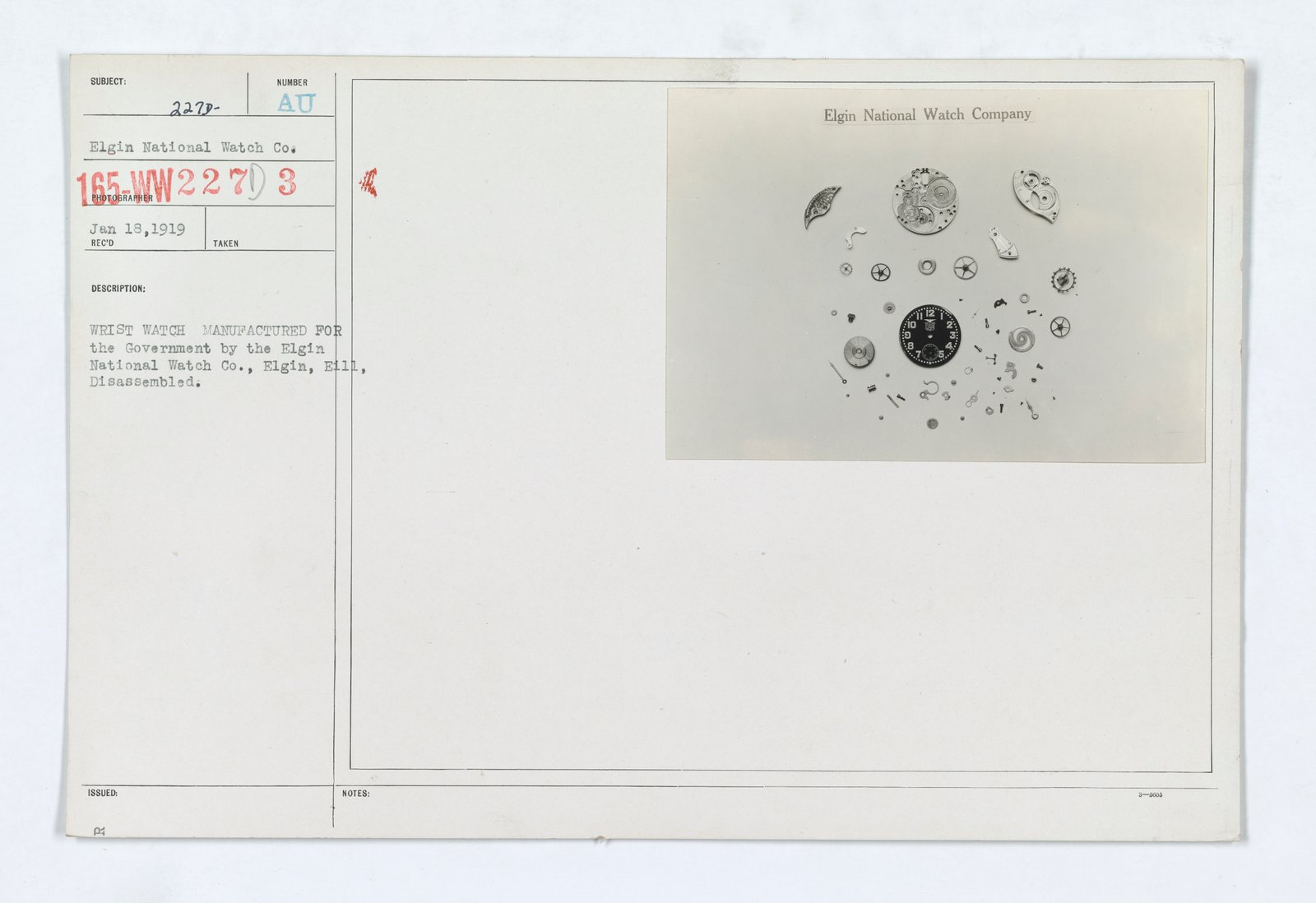
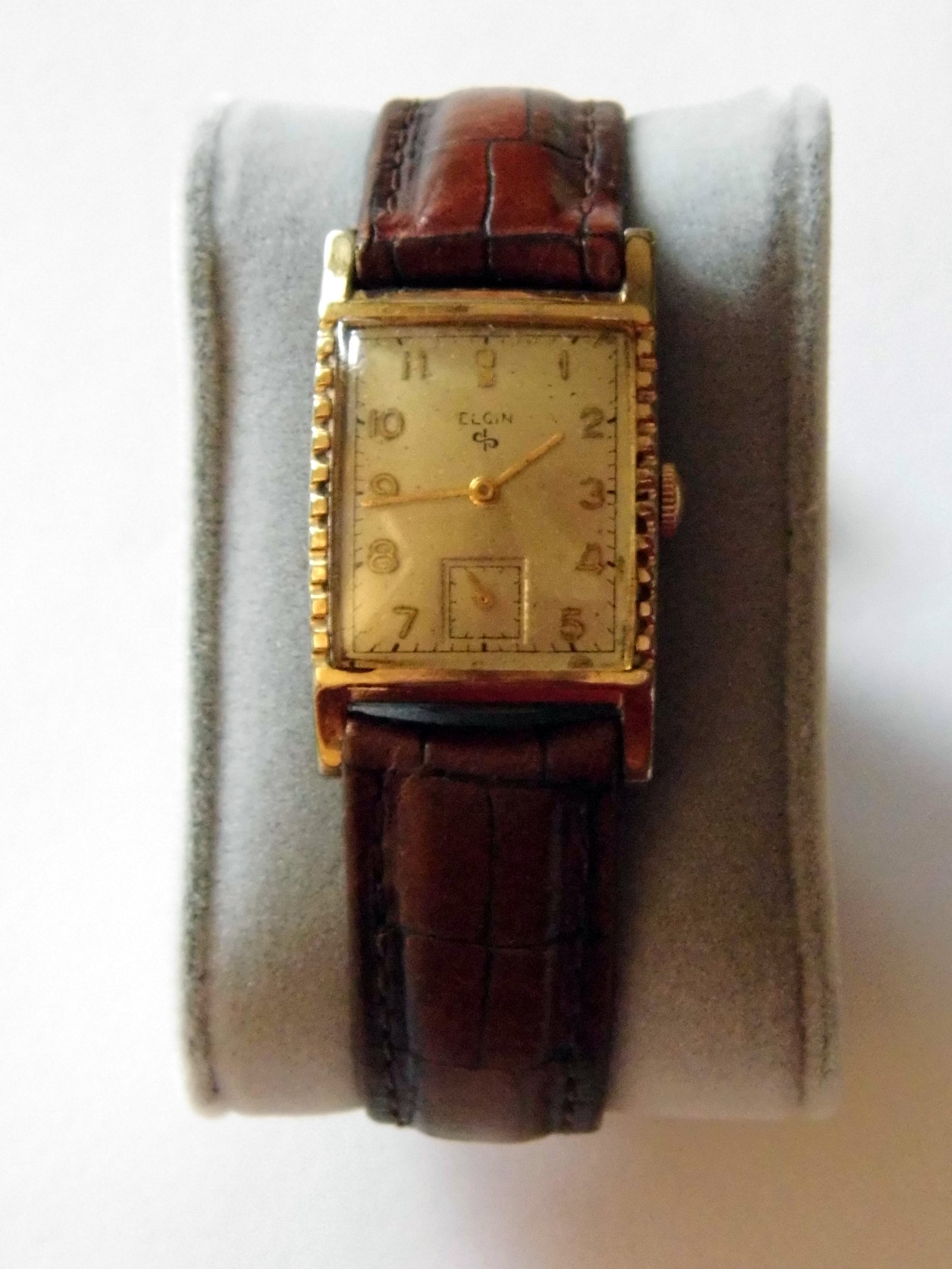
Watch photos (Creative Commons / public domain)
Buying notes (vintage reality check)
With Elgin, the “spec sheet” is rarely the point. Condition and provenance are. A quick checklist before you buy:
- Service history: assume it needs a service unless proven otherwise (budget accordingly).
- Lume safety: older watches may use radium-based lume. Treat unknown vintage lume with care.
- Water resistance: don’t assume any meaningful WR on a vintage piece—even if the case looks tight.
- Parts & originality: hands/dials/crowns can be replaced over decades; decide how strict you want to be.
- Size expectations: many historic pieces wear smaller than modern “field watch” norms.
Best “Elgin” picks (by the kind of wearer you are)
Because Elgin coverage is mostly vintage, “best picks” are really buying targets rather than a single current reference.
1) The history-first pick: military-adjacent Elgin service watches
Look for clean, high-contrast dials and honest cases. The goal is legibility and durability, not perfection.
2) The daily-wear pick: mid-century manual-wind Elgin dressy-tool crossovers
Some Elgin wristwatches lean a little dressy but still nail the “simple, readable, practical” vibe. Great if you want something vintage that doesn’t scream “militaria.”
3) The no-drama alternative: modern field watches with the same spirit
If you like the Elgin story but want modern reliability, start with these:
- Bulova Hack Watch review (a modern, affordable “classic field” template).
- Hamilton Khaki Field Mechanical 38mm review (modern daily-driver take on the genre).
- Best Field Watches (quick route to modern picks by budget).
Alternatives (different brand, similar vibe)
If you’re specifically chasing the classic American service-watch feel, you’ll also run into names like Bulova and Waltham. If you want the look with modern ownership convenience, brands like Hamilton (and many microbrands) cover the same practical ground.
More modern options (and brands we cover) live in our Microbrands hub.
FAQ
Are Elgin watches “real field watches”?
Many Elgin wristwatches fit the field-watch idea—legible, simple, wearable anywhere—even if they predate the modern marketing term.
Should you actually wear one daily?
You can, but treat it like a vintage car: service it, avoid water, and accept that hard knocks are harder to undo than on a modern watch.
Verdict
If you want a piece of American tool-watch history, Elgin is worth knowing. If you want a worry-free modern “field watch,” use Elgin as inspiration—and buy a modern equivalent with today’s sealing, crystals, and parts availability.