
MING isn’t a traditional “field watch brand” in the Hamilton / Marathon sense — but if you care about legibility, wearability, and a watch that disappears on the wrist until you need it, the brand is worth knowing.
This spotlight is written for field-watch fans who want something a little more modern (and a lot more limited). It’s a draft: specs and availability can change quickly with MING’s small-batch releases, so treat this as a buying framework, not a permanent catalog.
Quick brand snapshot (what MING is)
- Design language: modern, minimalist, high-contrast dials (often extremely legible at a glance).
- Manufacturing: designed in Kuala Lumpur, made in Switzerland (per the brand’s own positioning).
- How they sell: limited runs / drops are common — availability is part of the deal.
Are MING watches “field watches”?
Most MING references are better described as field-adjacent everyday sports watches. You typically get:
- High legibility: strong contrast, simple layouts, and clear minute tracks (great for quick reads).
- Comfort-first cases: many models wear slimmer than you’d expect on paper.
- Night usability: MING often prioritizes luminous treatment and dial clarity.
What you don’t always get is the classic “mil-spec field” formula (fixed bars, ultra-boring tool finishing, NATO-only vibes). If you want that, start with the basics: How to Choose a Field Watch (10-point checklist).
Watch photos (official)
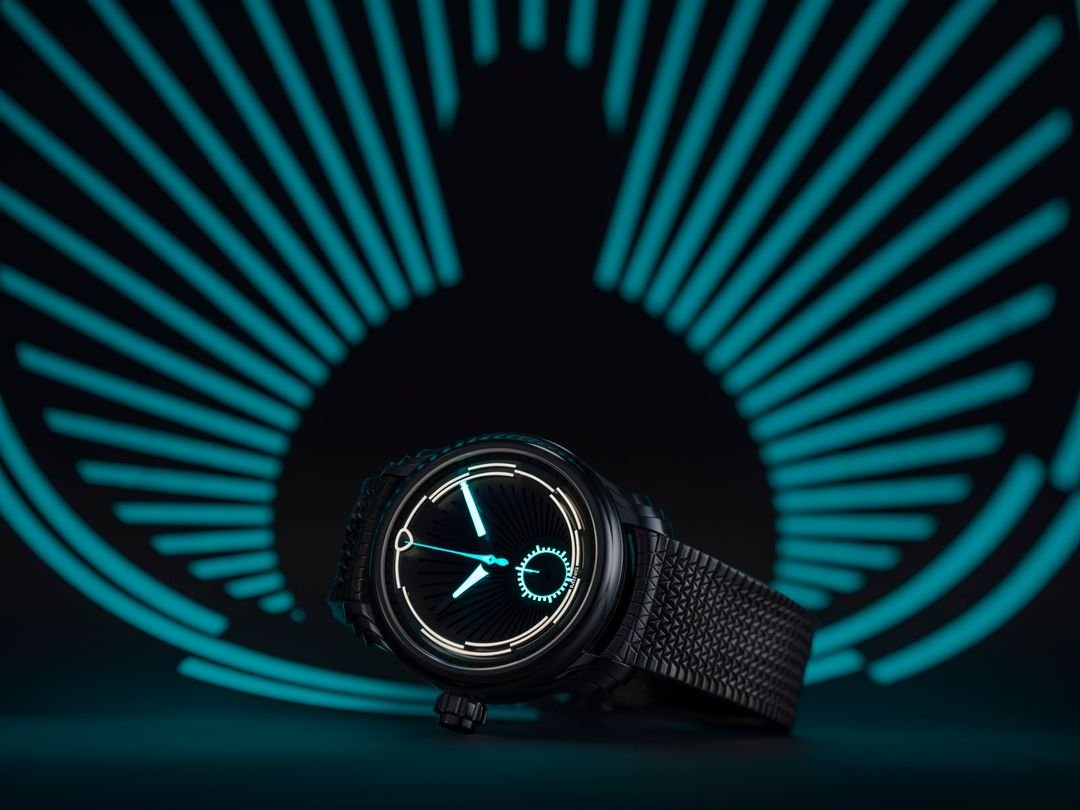
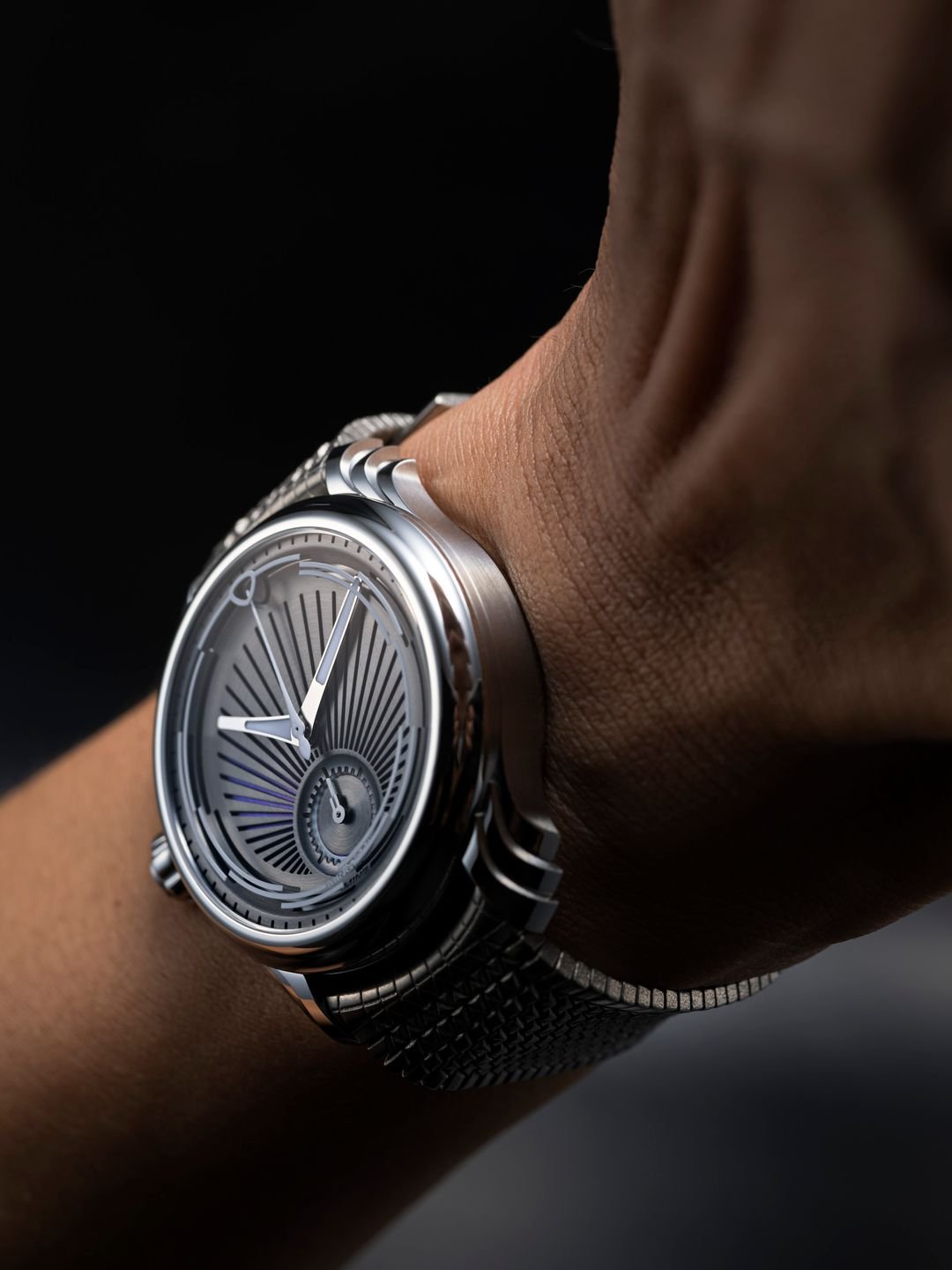
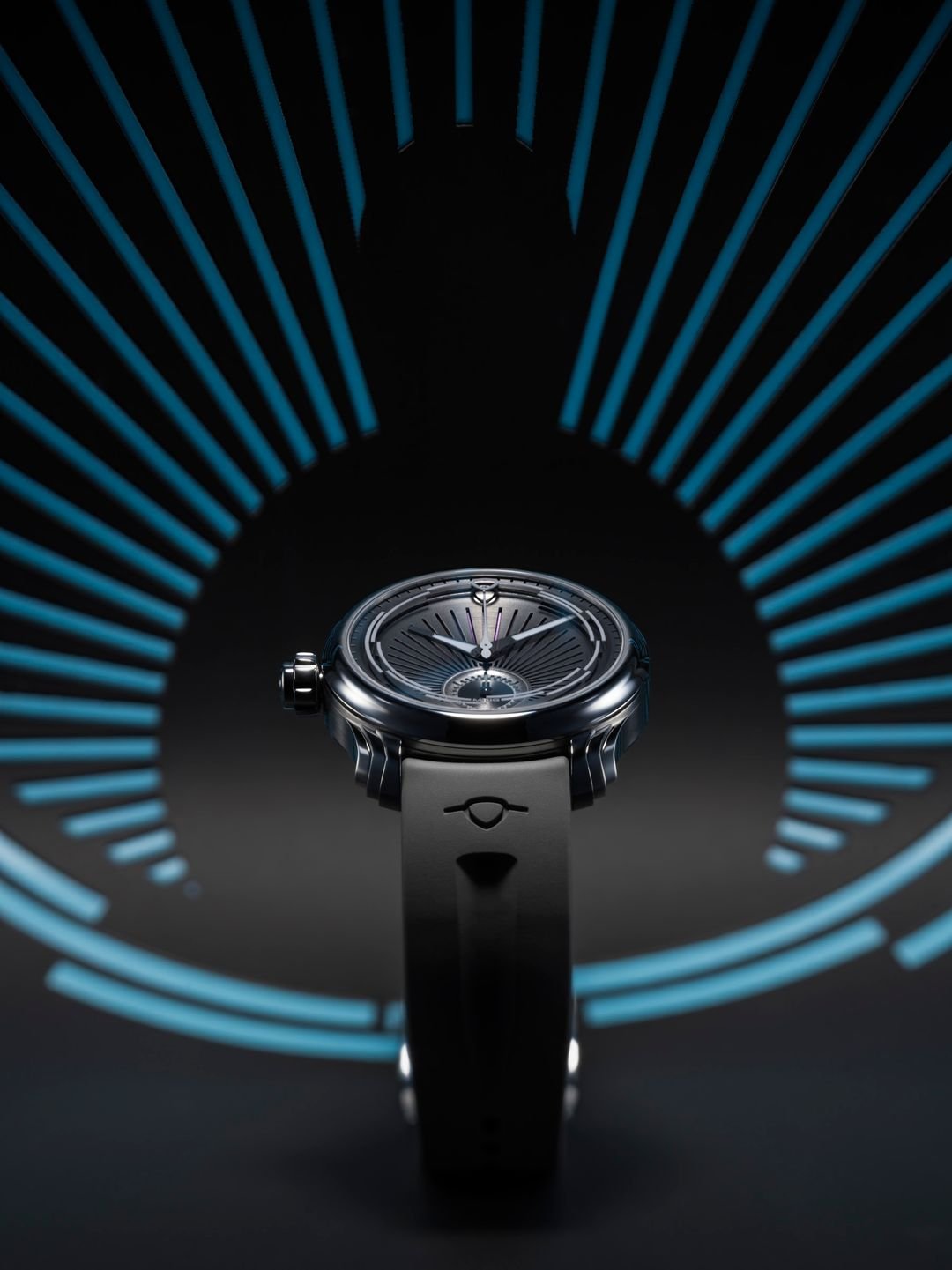
Example imagery below uses the MING 57.04 Phoenix as a current visual reference.
Best MING picks for field-watch fans (how to choose)
Because MING’s lineup changes, the best way to pick is to focus on use-case and constraints:
- If you want “grab-and-go” simplicity: prioritize a clean three-hander layout and a dial that reads instantly in low light.
- If you travel / work across time zones: look for a GMT reference — but be picky about hand stack and legibility.
- If you’re rough on watches: prioritize a reference with meaningful water resistance and a crystal you’re comfortable living with.
Specs quick sheet (use this checklist, not hard claims)
Specs vary by reference and production run — verify on the official listing before buying. Here’s the short checklist I use when a watch is “field-ish” rather than a true field watch:
- Diameter: is it in your comfort range? (Many field watches feel best at 36–40mm.)
- Lug-to-lug: the real wear metric — especially on smaller wrists.
- Thickness: if you want it to disappear under a cuff, keep it sane.
- Lug width: common sizes (18/20/22mm) make strap swaps easy.
- Crystal: sapphire vs other; think about scratch tolerance vs distortion/AR.
- Movement: automatic/manual is fine — but consider serviceability and shock tolerance.
- Water resistance: don’t guess. Read: Water Resistance Explained (30m vs 50m vs 100m).
Movement notes (what matters for everyday wear)
MING tends to use Swiss mechanical movements depending on the reference. If you’re cross-shopping against true “field tools”, decide early whether you want mechanical charm or zero-maintenance practicality:
- Mechanical: more romance, more maintenance; can be perfectly durable but it’s not “set-and-forget”.
- Quartz/solar: often the best choice for an actual beater watch.
Helpful primer: Field Watch Movements: Quartz vs Automatic vs Manual vs Solar.
Alternatives (different brands, similar intent)
If you like MING for the clean dial + everyday wearability, but want something closer to classic field-watch DNA, consider:
- Hamilton Khaki Field Mechanical (H-50) (traditional field template).
- Formex Field Automatic (modern, very wearable, still practical).
- Mk II Hawkinge (tool-ish, “serious watch nerd” option).
- Momentum Smokejumper Solar (low-maintenance, outdoors-first mindset).
Our MING coverage
No dedicated MING model reviews are live on the site yet. When they are, they’ll be linked here. For now: search FieldWatchGuides for “MING”.
Verdict
If your idea of a field watch is “a clear, comfortable, always-readable tool”, MING can absolutely scratch the itch — just with a more modern design language and a limited-run buying experience.