
Rado isn’t a “classic field watch” brand in the Hamilton/Seiko sense—but if you like field watches for their daily toughness, legibility, and low-fuss wear, some Rado models can still scratch that itch.
This guide is written for field-watch fans who are curious about Rado’s more practical, outdoors-friendly options (and what to watch out for when you shop).
Quick take: what makes a Rado “field-friendly”?
- Legibility first: clean dial, strong contrast, sensible handset (avoid overly glossy, low-contrast dials if you want “field” readability).
- Real durability: Rado’s signature is materials—especially ceramic—which can be very scratch resistant in day-to-day life.
- Enough water resistance: for hiking/camping/travel, you generally want something you won’t baby (always verify the exact WR rating by reference).
- Strap versatility: field watches live on straps. If a watch only works on its bracelet and has odd lug geometry, it’s less “field watch” in spirit.
If you’re new here, start with our checklist: What is a field watch? and the Guides hub.
Best Rado picks for field-watch fans (by vibe)
Note: Rado has many references and variations. Treat the picks below as “families” to explore, then confirm specs, dimensions, and WR on the official listing for the exact reference you’re buying.
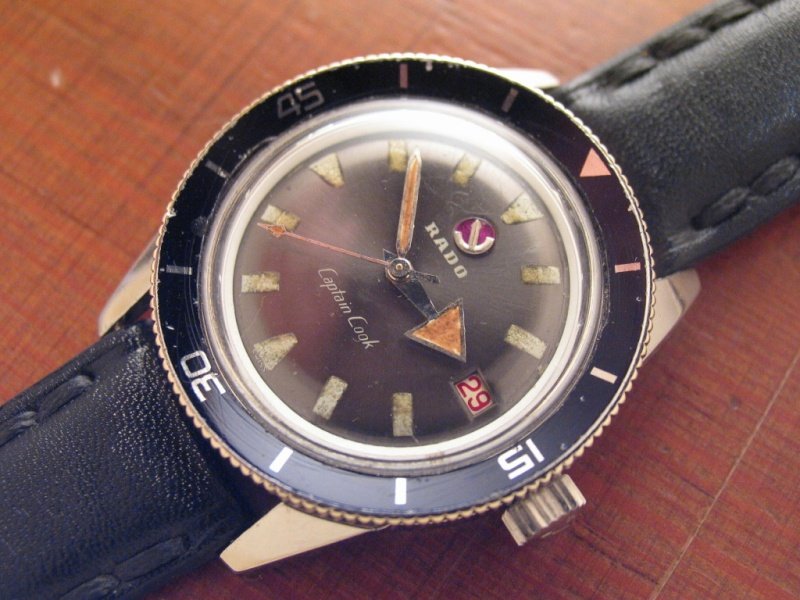
1) Rado Captain Cook (steel): the outdoorsy everyday pick
The Captain Cook line is dive-first, but the compact, highly legible variants can work as a field-watch alternative—especially if you like a rotating bezel as a simple “timer” in real life (cooking, parking, hikes).
- Why field-watch people like it: strong dial contrast, robust case, easy day-to-day timing utility.
- What to watch for: size choices (some wear small, some wear large), bracelet vs strap feel, and which variants have the clearest matte dial.
2) Ceramic-first Rado models: low-scratch daily wear (with tradeoffs)
Rado’s ceramic watches can be a great “grab-and-go” option if you’re hard on your watches cosmetically. The tradeoff is that ceramic is different from steel: it’s very scratch resistant, but impacts and edge chips are a different conversation than scuffs on steel.
For a deep dive on durability tradeoffs, see: Sapphire vs Mineral vs Acrylic (field watch crystal guide)—the same “real life” thinking applies to cases/bezels too.
Buying notes (quick checklist)
- Confirm the exact reference (photos and listings get mixed up easily).
- Look for a dial you can read instantly: matte > glossy, high contrast > “fashion contrast.”
- Ask about service history if buying used; Rado ownership is usually smooth, but any mechanical watch can need attention.
- Plan your strap setup: if you want a true field-wear feel, consider a comfortable fabric/NATO-style strap or a soft rubber strap for travel.
Alternatives (if you want a “true” field watch)
If you’re here primarily for the field-watch experience (simple legibility, strap versatility, low-fuss ownership), these proven options are often a better match:
- Hamilton Khaki Field Automatic (review)
- Seiko 5 SNK809 (review) (classic budget field style)
- Citizen Chandler BM8180 (review) (Eco-Drive practicality)
- Traska Summiteer (review) (microbrand “hardened” everyday field/explorer vibe)
If budget is the constraint, start here: Best Field Watches Under $200 (2026).
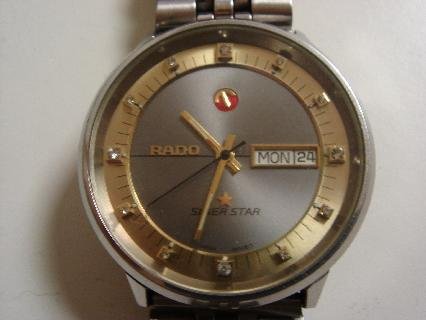
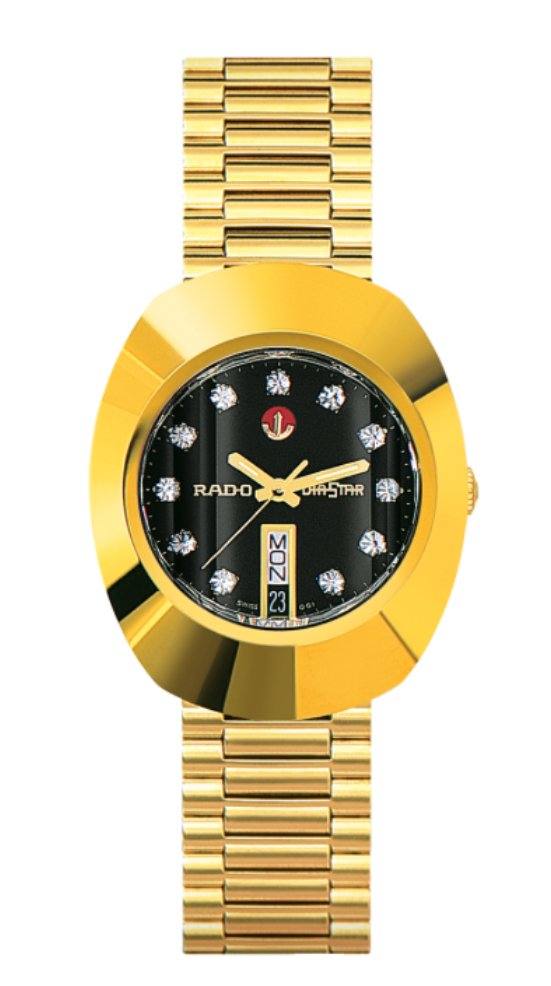
Watch photos (Creative Commons)
Below are copyright-safe images from Wikimedia Commons (licenses noted in captions).
Our Rado reviews (coming)
We don’t have a dedicated Rado model review published yet. For now, you can browse our site search results: Rado reviews & mentions.