
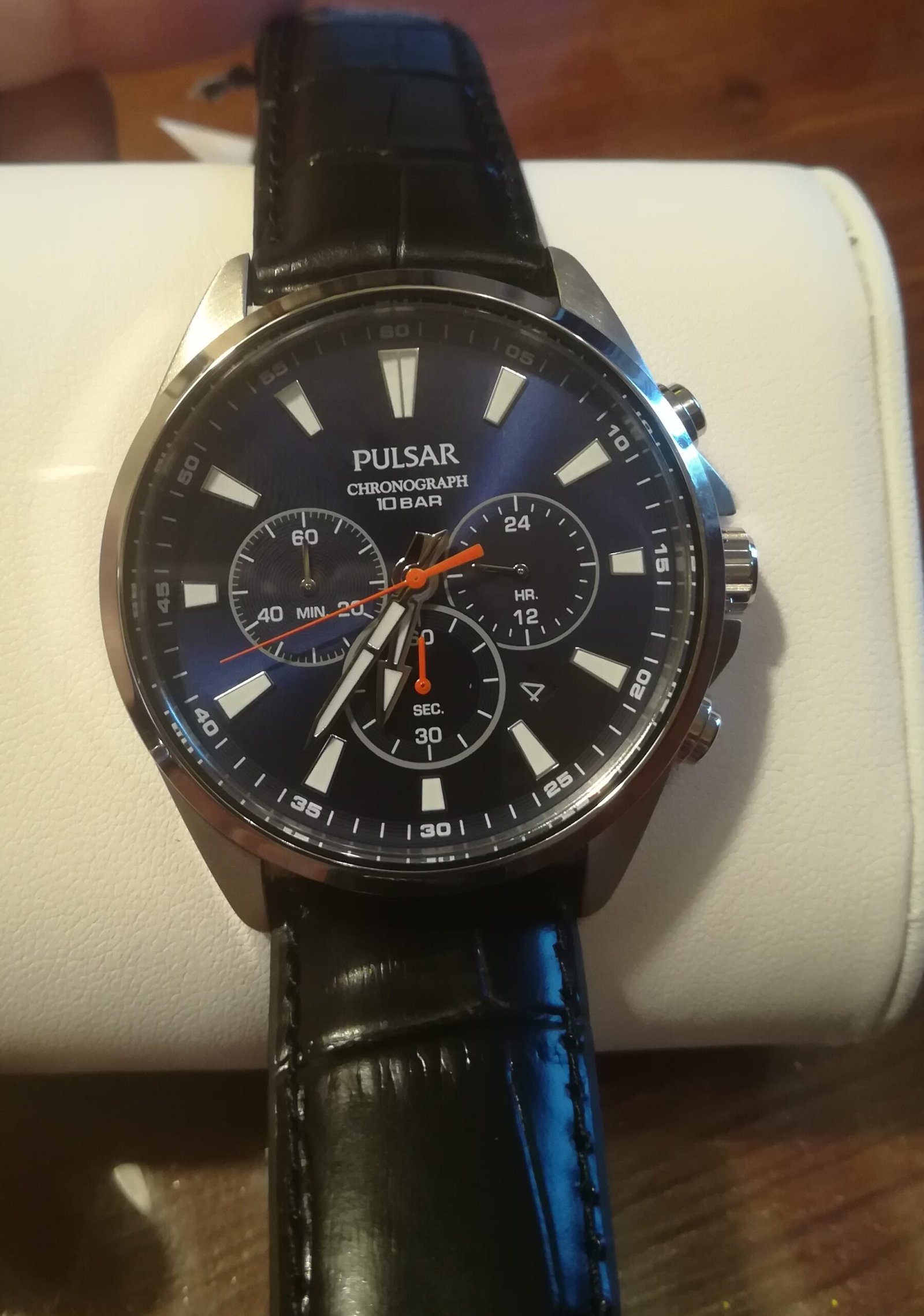
Quick take: Pulsar is one of those under-the-radar “value” names that shows up when you want a simple, readable, no-drama watch and you don’t want to overthink it. If you’re shopping for a field-watch style piece (clear Arabic numerals, good contrast, practical strap options), Pulsar can be worth a look—especially if you find a reference with decent water resistance and sane sizing.
Watch photos (Creative Commons)
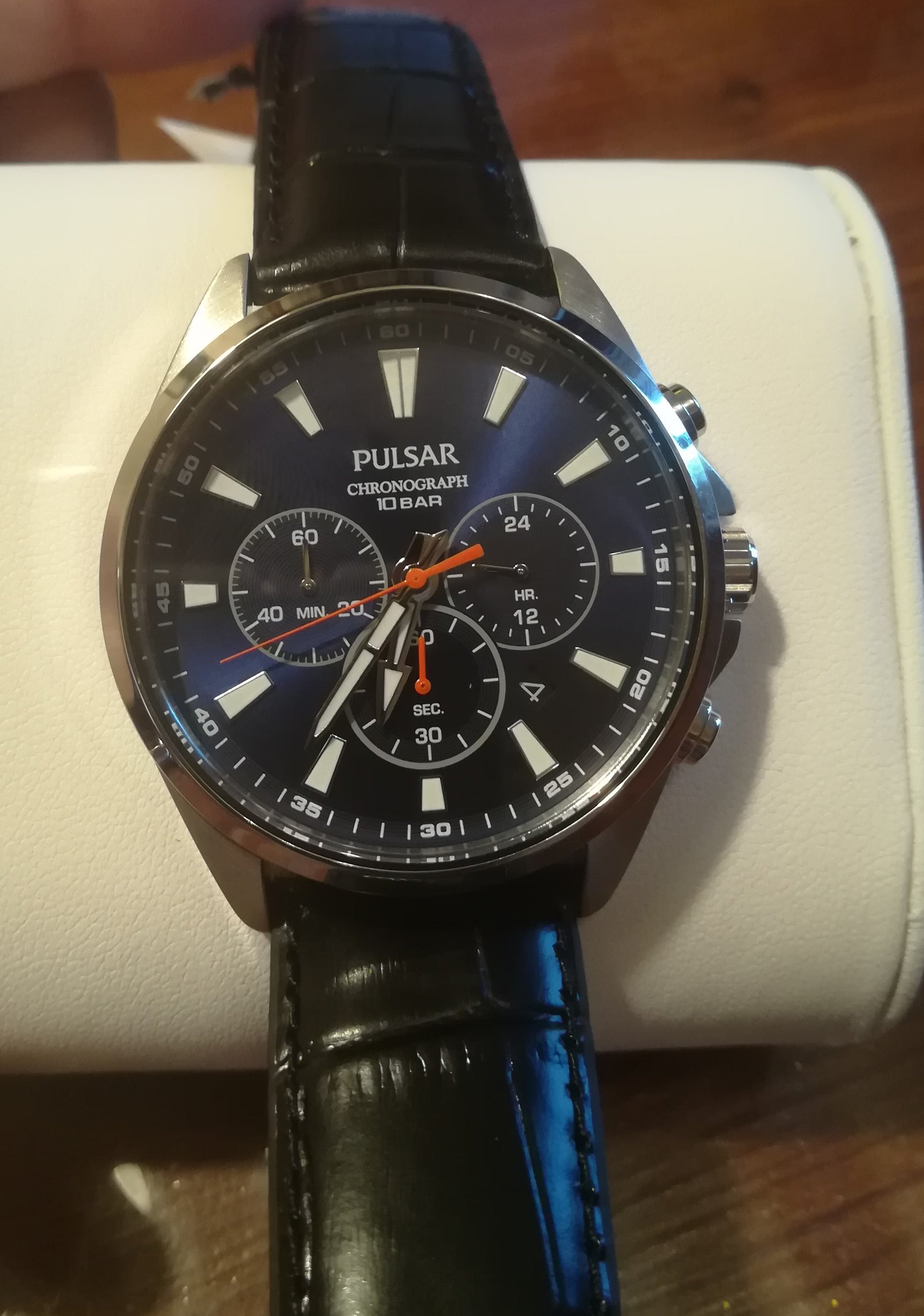
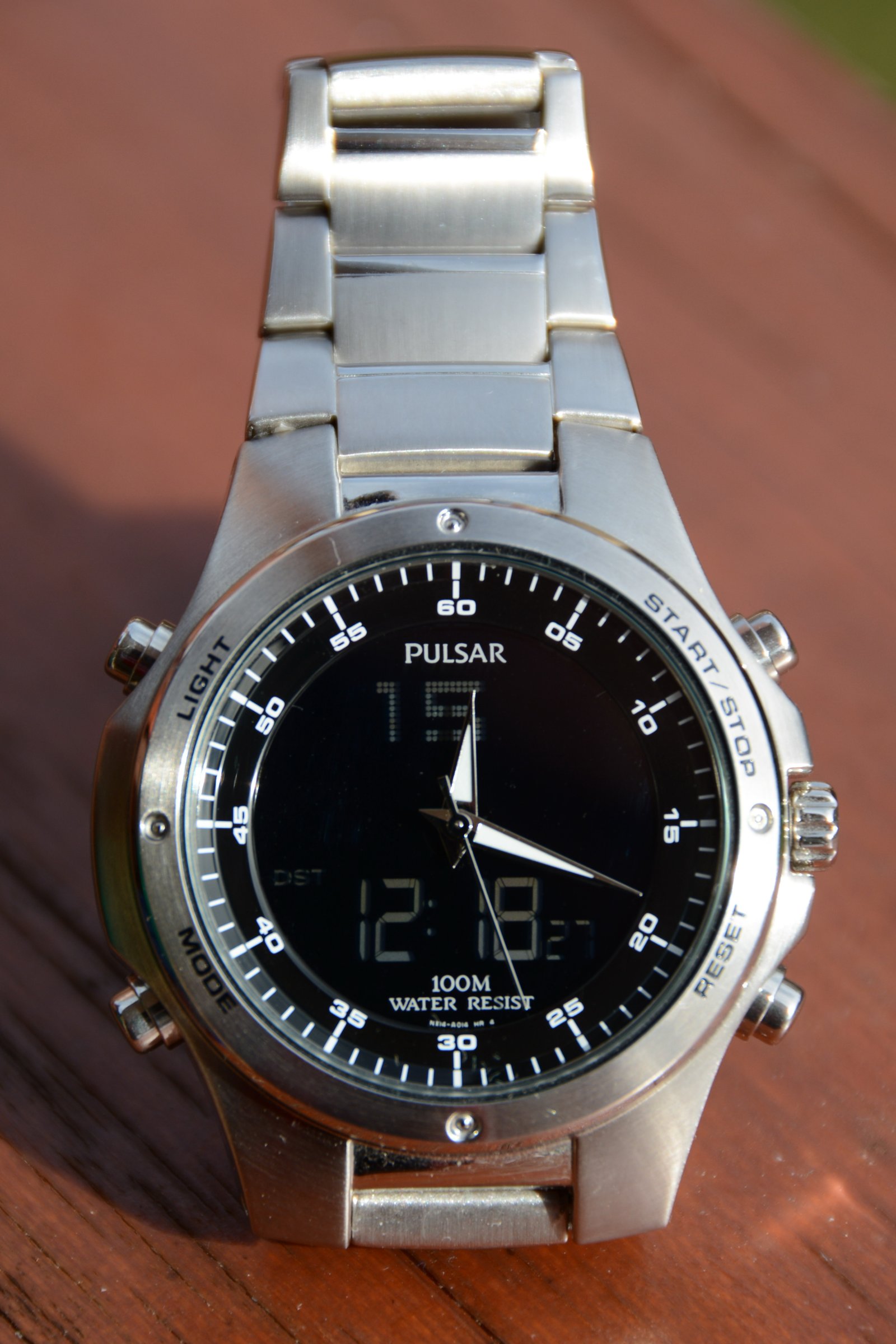
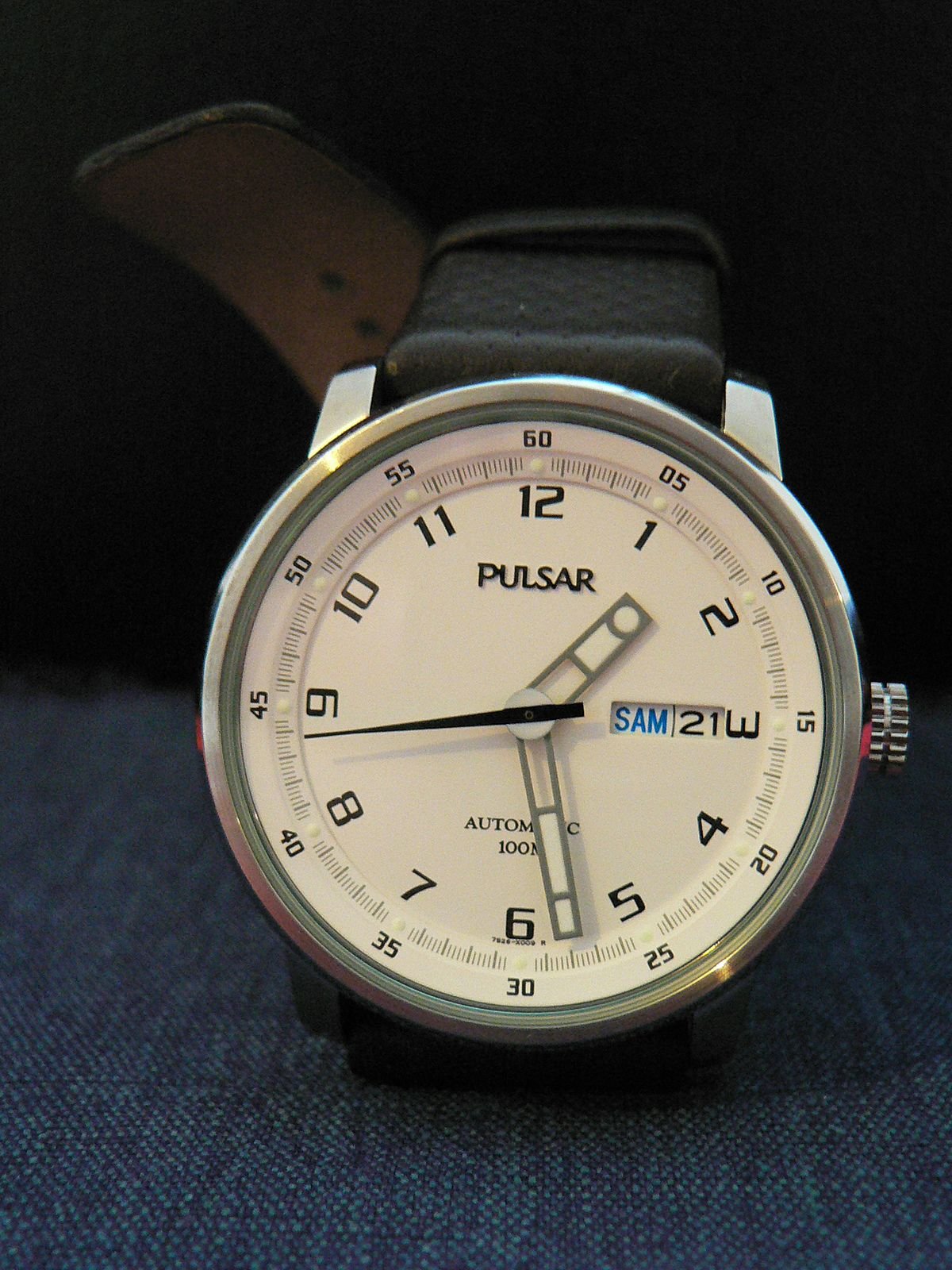
To give you a quick visual feel for Pulsar, here are a few examples (Creative Commons-licensed photos from Wikimedia Commons). These are not necessarily the exact references discussed below, but they show the brand’s typical design language.
What is Pulsar (and where it fits in field watches)
Pulsar is historically tied to Seiko’s ecosystem (often positioned as an affordable, mass-market line depending on region). In practice, that usually means: straightforward designs, broadly available quartz options, and pricing that competes with the “first real watch” tier from brands like Timex, Casio, and entry-level Citizen.
For field-watch buyers, that matters because the checklist is pretty universal: legibility, sensible case size, and durability basics like real water resistance (not just “30m on the dial”).
How to shop Pulsar field-watch style models (quick checklist)
- Water resistance: Aim for 50m+ if you want a true everyday beater. If it’s 30m, treat it as “splash only.” (WR explained)
- Legibility: High-contrast dial + matte finishing is your friend. Avoid glossy dials if you hate reflections.
- Crystal: If the listing says mineral, that’s normal at this price—just expect scuffs over time. If you find sapphire, that’s a nice bonus. (crystal guide)
- Movement type: Most Pulsar field-ish options you’ll see are quartz. If you’re comparing quartz vs automatic vs solar, this guide helps: Field Watch Movements.
- Strap compatibility: Field watches shine on NATOs, canvas, and simple leather. If you’re replacing the stock strap, start here: best straps for field watches.
Best Pulsar “field watch” picks (what to look for)
Pulsar reference availability varies a lot by market and year, so rather than pretend there’s one perfect “the” Pulsar field watch, here are the patterns that tend to work well:
- Simple 3-hand quartz with day/date: Great as an everyday grab-and-go watch—especially if the dial is clean and the minute track is crisp.
- Military-leaning dial layout (12/24-hour scale): This is the classic field-watch look. Prioritize contrast and a non-glossy dial.
- Smaller case (roughly mid-30s to ~39mm): If you like traditional field proportions or have smaller wrists, these tend to wear better than oversized “fashion field” watches.
- Better WR (50–100m) + screw-down crown (when you find it): Not mandatory, but it’s the difference between “office field watch” and “actual outdoor beater.”
Pro tip: when you find a specific Pulsar reference you’re considering, sanity-check it against the core field-watch checklist: How to Choose a Field Watch.
Alternatives (if you want the same vibe with more “known quantities”)
If you want field-watch style but you’d rather buy a model that’s widely reviewed and easy to compare, start with these:
- Timex Expedition Camper (classic budget field look)
- Seiko 5 SNK809 (the classic budget automatic field watch)
- Citizen Chandler BM8180 (Eco-Drive, easy ownership)
- Hamilton Khaki Field Mechanical (the “buy once, cry once” step-up)
If you’re still deciding at a higher level (Seiko vs Timex vs Hamilton), this comparison is a good shortcut: Hamilton vs Seiko vs Timex.
Our Pulsar reviews (coming next)
We don’t have a dedicated Pulsar model review live yet. TODO: create at least one Pulsar model review draft and cross-link it here (spotlight ↔ review rule).
Verdict
If you find a Pulsar that nails the basics—clean dial, decent WR, and comfortable sizing—it can be a surprisingly satisfying “use it hard” watch. Just don’t buy on the name alone: buy on the field-watch checklist and the spec reality of the exact reference you’re looking at.